
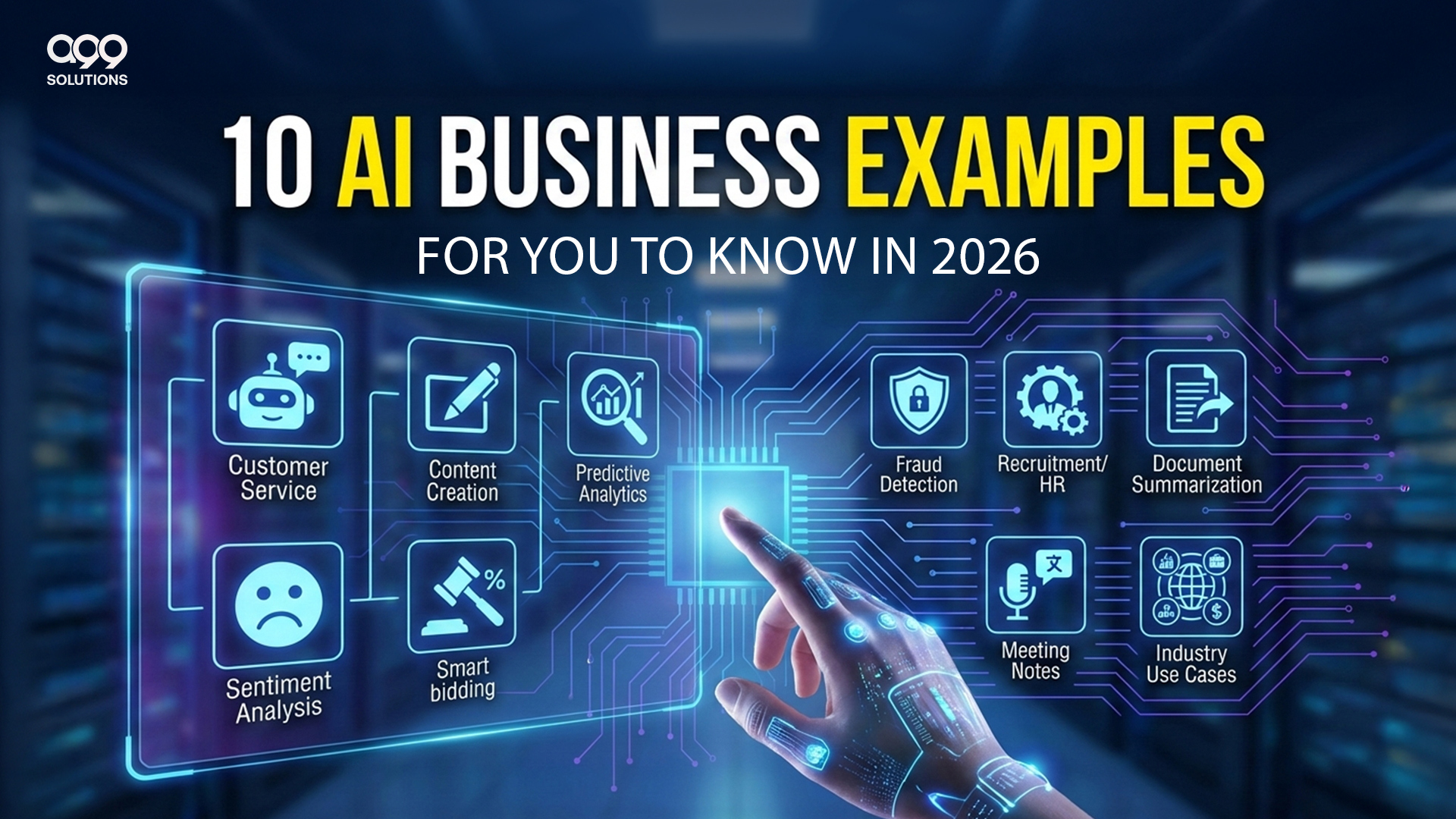
AI Business Examples 2026 – AI tools let you do many things that were once difficult or even impossible — and they make everyday tasks much easier. It’s no surprise that about 88% of businesses now use AI in at least one part of their work.
You’ve probably heard about how AI is changing the business world, but you might still wonder what that actually looks like in real life. What are some real examples of AI in business? What kinds of tools are companies using, and how are they using them?
In this article, we’ll explore 10 practical examples of how businesses use AI, showing you exactly how it’s helping companies work smarter and grow faster.
- Customer service chatbots
- Content creation
- Predictive analytics
- Sentiment analysis
- Smart bidding
- Fraud detection
- Recruitment and HR screening
- Document summarization
- Meeting notes and transcription
- Industry use cases
1. Customer Service Chatbots
The first example of AI in business is customer service chatbots. You’ve probably been on a website where a small chat box appears in the corner of the screen asking if you need help — that’s a chatbot powered by AI.
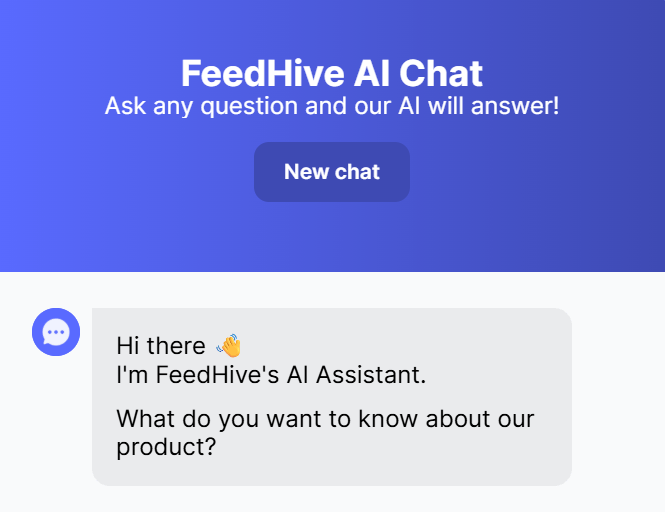
These chatbots can work in different ways. In the past, some only gave a few set replies, while others were used by real people to chat with customers.
Now, with AI, businesses can have something in between. Generative AI chatbots can understand questions and give helpful, personalized answers — almost like talking to a real person.
However, they need proper training to make sure they don’t give wrong or confusing replies. If you want to build a good online connection with your audience, try using the best community chat platforms to improve your customer communication.
2. Content Creation
Another great example of AI in business is content creation. Companies have different opinions about using AI for this.
Some businesses let tools like ChatGPT write all their content — but that’s not a good idea. AI isn’t perfect, and it can make mistakes or sound unnatural, so it’s best not to rely on it completely.
However, AI can still be very helpful for writers. Many content creators use AI to get ideas, create outlines, or improve their writing. It saves time and helps them write better and faster while still keeping a human touch.
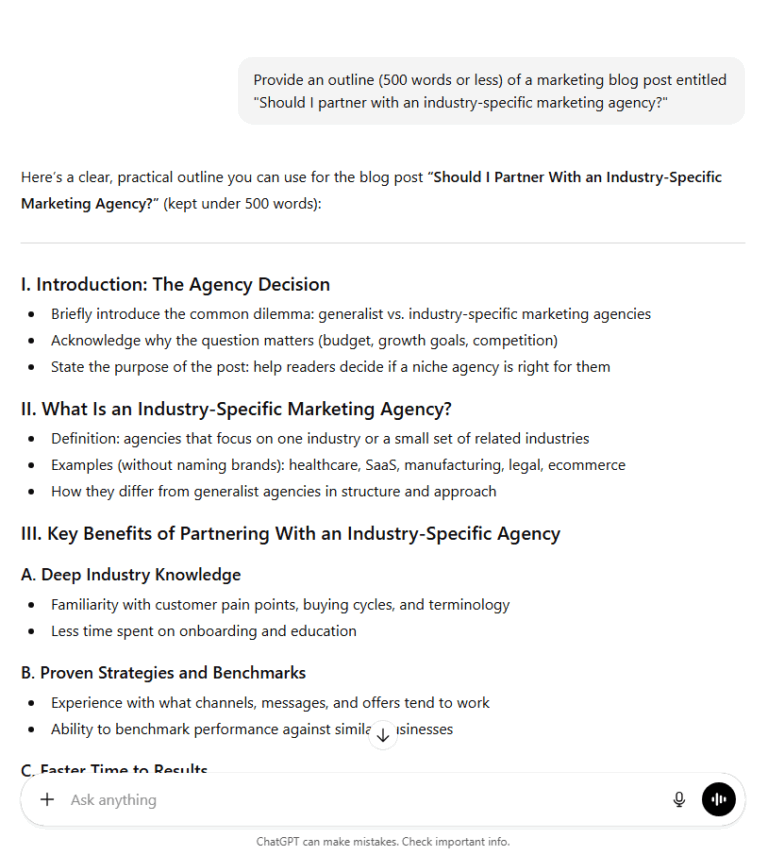
They can then take that outline, make some changes to it, and use it to write the full blog post on their own.
3. Predictive Analytics
AI is very useful when working with large amounts of data. Today, many data tools use AI to automatically create reports and show insights that would take a lot of time to do by hand. One of the biggest benefits of AI is how well it helps with predictive analytics.
Predictive analytics means using AI to study past data and guess what may happen in the future. For example, AI can look at your previous spending and estimate how much you might spend in the next few months. AI can often make these predictions more accurately than manual methods, and it can do the work much faster.
4. Sentiment Analysis
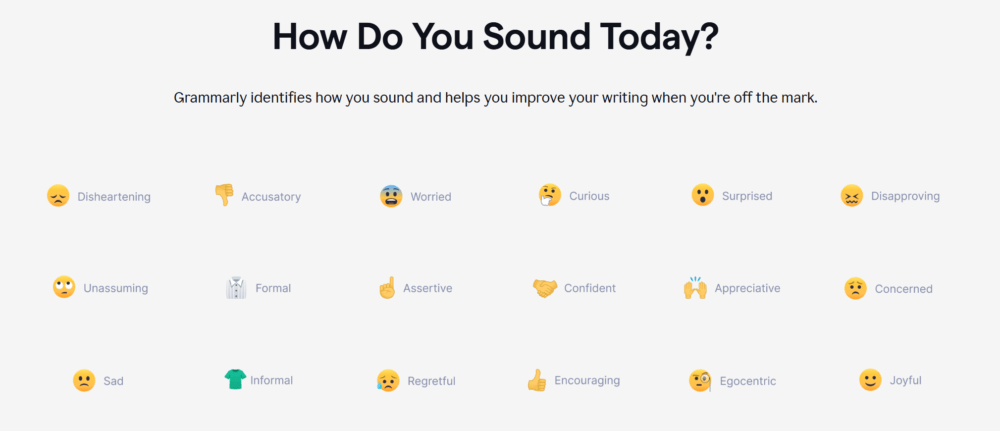
Another useful way businesses use AI is through sentiment analysis. This means AI studies how your customers feel or what their opinions are about your business. It often does this by checking the words used in phone call recordings, chat messages, or meeting notes with clients.
You’ve probably seen something similar in Grammarly’s tone detector, which looks at your writing and tells you whether it sounds friendly, confident, or formal.
5. Smart Bidding
Most businesses use some kind of paid advertising, usually pay-per-click (PPC) ads. In PPC, you choose specific keywords to target and only pay when someone clicks your ad. One of the most challenging and time-consuming aspects of PPC is bidding — but AI makes it easier.
Platforms like Google Ads offer a feature called smart bidding. This uses machine learning to adjust your bids for better results automatically. You can still set your own rules or limits, and the AI will follow them while handling the rest for you. This saves time and helps you focus on other tasks while your ads run efficiently.
6. Fraud Detection
Many businesses now use AI to detect and prevent fraud. How you use it depends on the type of business you have.
For example, banks and financial companies use AI to spot fake transactions and even use facial recognition to catch criminals.
Even if you don’t run a bank, you can still use AI fraud detection tools on your website. These tools can study customer purchases and quickly find suspicious or fake orders before they cause problems.
7. Recruitment and HR Screening
Today, hiring managers don’t always have time to read hundreds of job applications for every open position. To save time, many companies now use AI tools to help with recruiting and onboarding new employees.
AI can quickly read through applications, contact potential candidates, and share details about job roles and requirements.
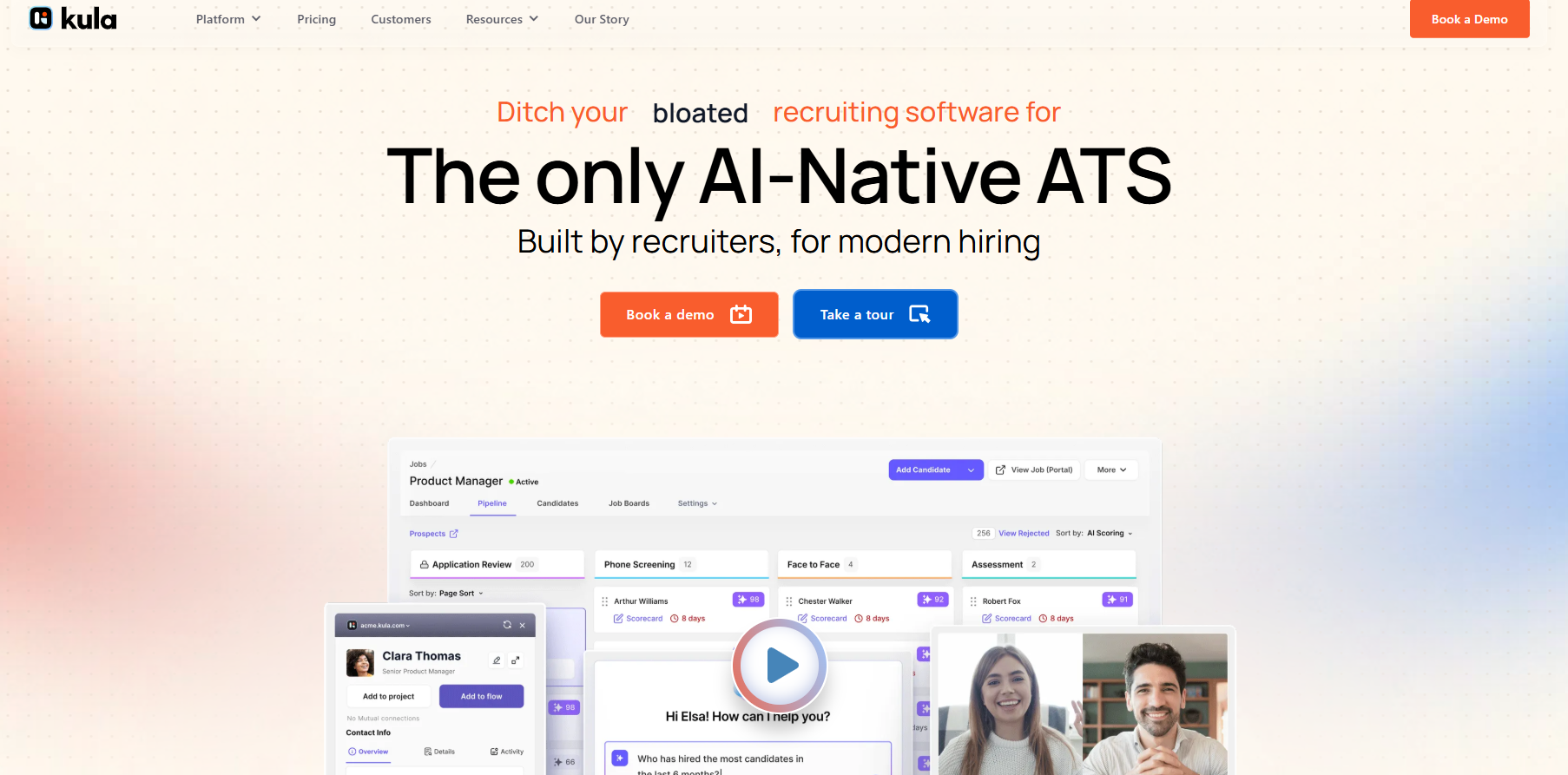
For example, tools like Kula use AI to scan resumes and find the best candidates for your company based on things like:
Important keywords and phrases
Relevant skills
Work experience
And other useful details
8. Document Summarization
Another useful way businesses use AI is through document summarization. This means AI can read long documents and turn them into short, easy-to-understand summaries within minutes.
Companies use this kind of AI to:
Share the main points of a document with their team
Quickly review or refresh what a document says
Save time by not having to read the whole thing
9. Meeting Notes and Transcription
AI tools can also help record and write down meeting notes automatically. It works like a voice-to-text feature for online or in-person meetings and customer calls.
A good example is Google Gemini, which can listen during a meeting and take notes for you — all hands-free — so you can focus on the discussion instead of writing everything down.
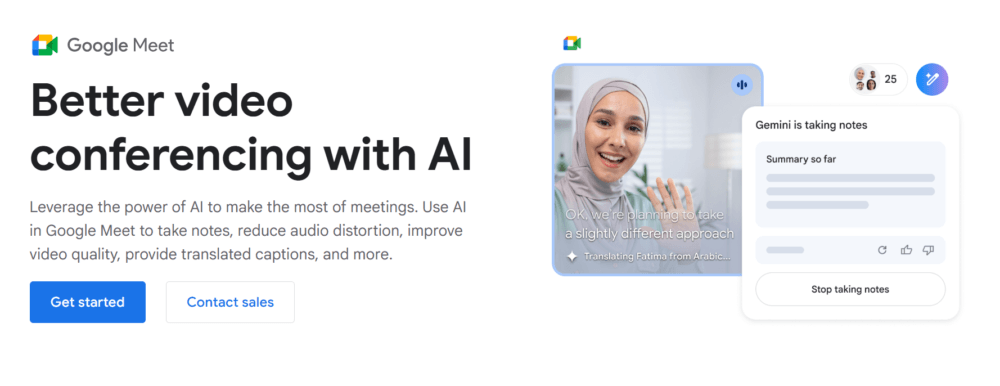
Voice assistants enhance accessibility, productivity, and post-meeting connections. Rather than taking notes manually, you can record and manage meeting summaries with ease by using AI.
10. Industry Use Cases
AI can be used in different ways depending on the industry. Every business has its own market, audience, and workflow, so it’s important to find AI tools that fit your specific needs.
Here are some examples of how different industries use AI to get ideas:
Banking
Besides customer service, banks use AI to automate tasks like valuation analysis. This helps reduce the workload for junior analysts and speeds up decision-making.
Ecommerce
Online stores use AI to improve product listings and boost sales. For example, platforms like eBay and Amazon use AI to automatically create product descriptions and fill in item details, making it faster and easier for sellers to list products.
Transportation and Logistics
AI helps logistics companies plan better routes and keep operations on schedule. UPS, for example, uses AI to optimize delivery routes and reduce package theft, which makes their operations more efficient
Conclusion
AI is transforming the way businesses work, from improving customer service to streamlining operations. These 10 AI examples show just how powerful and practical AI can be in 2026.
If you want to leverage AI to grow your business efficiently, A99 Solutions can help you implement smart AI strategies that drive results.