
Influencer marketing 2026 – Influencer marketing has become one of the most effective ways for brands to grow on social media. According to the 2024 Influencer Marketing Report, around 86% of consumers have purchased a product at least once after seeing it promoted by an influencer.
Influencer marketing is no longer limited to celebrities or early bloggers. Today, creators of all sizes—from niche experts to everyday content creators—are active across multiple social platforms. Their real strength isn’t just in follower numbers, but in the trust and genuine relationships they build with their audiences. These authentic connections help brands increase engagement, shape trends, and drive real sales.
To stand out in both organic and paid campaigns, brands need a clear and well-planned influencer marketing strategy. This guide shares practical tips to help you create an effective approach, avoid common mistakes, and choose the right influencers who can truly represent your brand and connect with the right audience in today’s fast-changing digital landscape.
What Is Influencer Marketing?
Influencer marketing is a type of social media marketing where brands work with influencers to promote their products or services. Influencers are people who have a loyal audience and are trusted for their knowledge or experience in a specific area.
This marketing works because influencers build strong trust with their followers over time. When they recommend a product, it feels more like advice from someone people believe in, rather than a traditional advertisement. This trust acts as social proof, helping potential customers feel more confident about buying from a brand.
When brands start working with creators, they usually explore different collaboration options. It’s important to understand the difference between influencer marketing and affiliate marketing, especially when deciding whether the main goal is quick sales or building long-term brand trust.
Brands should also think about who fits their goals better—traditional influencers with strong social presence, or key opinion leaders who bring deep expertise and authority in their field.
Types of Influencers: Based on Size and Reach
Working with an influencer who has millions of followers may sound exciting, but bigger is not always better for every brand.
Some influencers have very large audiences that include many different types of people. Others have smaller audiences, but those followers are more focused, loyal, and highly engaged.
Understanding the difference between these influencer types—how far they can reach, how engaged their audience is, and how much they charge—helps you choose the right partners for your brand.
Now, let’s explore the different types of influencers based on their audience size and reach.
Mega or Celebrity Influencers
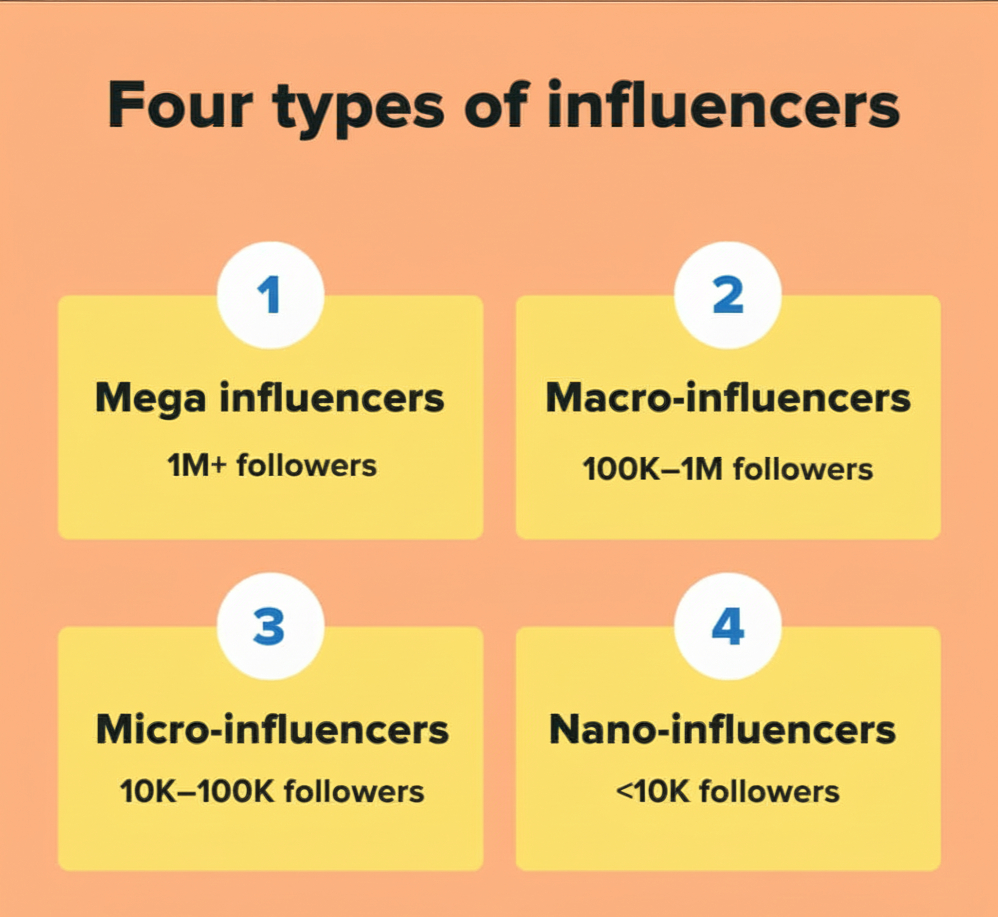
Mega influencers are well-known public figures with over 1 million followers. This group usually includes famous actors, singers, sports stars, and celebrities. Because they are already popular, they can reach a very wide audience and are best for big brand awareness campaigns. A well-known example is Cristiano Ronaldo.
Working with mega influencers can give your brand huge visibility, but it often comes at a very high cost. Since their audience is very broad, people may not interact with their content as much compared to smaller influencers who focus on a specific niche.
Brands that may benefit from mega influencers include:
Large companies with strong budgets
Brands that want to reach a wide and diverse audience
Luxury or premium brands aiming to create a high-end image
Macro-Influencers
Macro-influencers usually have 100,000 to 1 million followers. They are well-established creators who have built their audience over time by consistently sharing valuable and engaging content. Many of them are seen as trusted voices in their specific field.
Compared to celebrities, macro-influencers offer more focused targeting because their followers often share similar interests. They can deliver strong reach and credibility, though collaborations may still be expensive depending on your budget.
Brands that often work with macro-influencers include:
Startups that want fast visibility and trust (for example, Canva)
Nonprofit organizations raising awareness or donations
Travel brands like hotels and airlines are targeting a large but defined audience
Micro-Influencers
Micro-influencers have 10,000 to 100,000 followers and usually enjoy high engagement. They often focus on one platform, such as Instagram, YouTube, or TikTok, where they connect closely with their audience.
Brands like micro-influencers because their content feels more real and relatable. Their recommendations come across as honest, and they are generally more affordable than bigger influencers, making them a strong choice for many marketing campaigns.
Nano-Influencers
Nano-influencers typically have 1,000 to 10,000 followers. Even though their audience is smaller, the connection they have with their followers is often very strong. Their content feels personal, and their communities are tight-knit.
Nano-influencers are a great option for brands that want to reach specific groups or local audiences without spending a lot. In fact, recent data shows that more brands are choosing nano-influencers because of their high trust and engagement levels.
There are several reasons why nano-influencers are so effective. Because they work on a smaller level, they can spend more time on each brand partnership. This allows them to create content that feels more personal and specially made for your brand. They also build close relationships within small, focused communities, which helps brands connect with the right audience genuinely.
Nano-influencers are a great fit for businesses such as:
Local businesses that want to reach people in a specific city or area
Small businesses with tight budgets looking for affordable marketing
Handmade, home-based, or specialty food brands targeting customers who value unique and authentic products
Why Use Influencer Marketing?
Influencer marketing is one of the most effective ways to promote your brand today. Many companies are already using it successfully — and for good reason.
According to the 2024 Influencer Marketing Report, about 49% of consumers purchase at least once a month because of something they saw from an influencer. In fact, the influencer marketing industry is expected to hit $33 billion by 2025 (Statista).
Here’s why adding influencers to your marketing strategy can help your brand grow:
1. Reach More People and Build Brand Awareness
When you work with influencers, your brand gets seen by a larger audience. Their followers discover your products through trusted voices they already follow. Since people tend to trust influencers’ opinions, this helps build your brand’s credibility and recognition faster than traditional ads.
2. Target the Right Audience
Influencer marketing helps you reach the people who are most likely to be interested in your brand. By partnering with influencers whose followers match your target audience, your message feels more personal and relevant — which makes it far more effective.
3. Boost Sales and Conversions
People trust recommendations from influencers more than they do regular advertisements. When followers see their favorite influencer using or recommending a product, they’re more likely to buy it too. Many influencers also offer discount codes, host giveaways, or create engaging posts that encourage followers to take action, such as making a purchase or signing up for a deal.
4. Build Trust and Authenticity
Influencers share honest opinions and personal experiences, which makes their content feel real and relatable. Unlike scripted ads, influencer posts often feel natural and genuine. They also interact directly with their followers — replying to comments and sharing stories — which builds a strong sense of trust and connection.
When influencers promote your brand, their audience feels confident that the recommendation is authentic. That trust leads to stronger customer relationships and higher conversions.
How to Create an Influencer Marketing Strategy in 5 Easy Steps
Influencer marketing isn’t just about Instagram anymore — platforms like TikTok, YouTube, Facebook, and Snapchat are also great for reaching different types of audiences.
Like any marketing plan, a good influencer strategy needs research, planning, and clear goals. Here’s how you can build yours step by step.
1. Find the Right Influencers (and Know How They Work)
The first step is finding influencers who truly match your brand. Take time to research your audience — find out where they spend most of their time online and what kind of content they enjoy.
Every platform has a unique audience:
1) Instagram and YouTube work great for beauty, fashion, and lifestyle brands.
2) Twitch is perfect for gaming and tech brands.
Here’s what to check when choosing influencers:
1) Do they already post about topics related to your business?
2) Are their followers real and actively engaging with their posts?
3) Have they worked with other brands before, and can they show results?
4) Tools like Sprout Social Influencer Marketing can help you find influencers faster using AI-based search and brand fit scores to match your brand with the right creators.
Once you shortlist a few influencers, compare their pricing and audience size — from mega influencers to micro-influencers (those with smaller but loyal audiences).
Remember, influencer payments vary based on the platform, type of content, and campaign goals. Always think about the ROI (return on investment) and how their work supports your overall marketing goals.
2. Set a Budget and Plan Your Management Strategy
Next, decide how much you can spend and how you’ll manage your influencer campaigns.
Use a budget tracker or template to keep your spending organized. Include costs for influencer payments, tools, and the time your team will need to coordinate everything.
If your budget allows, create a brand ambassador program — like Fujifilm does — to build long-term partnerships with influencers.
You can manage everything yourself or use an influencer marketing platform to help you find influencers, negotiate deals, and approve content in one place.
3. Set Campaign Goals and Create the Right Message
Before launching any campaign, decide what you want to achieve.
Do you want to:
1) Reach a new audience?
2) Promote a new product?
3) Strengthen your brand image?
4) Your goals will shape your message. Influencer content should sound personal and relatable, not overly promotional. Let influencers be creative — but make sure their message still aligns with your brand values and tone.
Keep up with influencer trends in your industry to stay relevant and fresh.
4. Reach Out to Influencers the Right Way
How you contact influencers depends on their level:
1) Celebrities or large influencers often work through agencies, so you’ll need to reach out via their management.
2) Micro-influencers can usually be contacted directly through DMs or the email listed in their bio.
3) You can also use influencer platforms like Sprout Influencer Marketing to find and message creators all in one place.
Choose influencers who are active on multiple channels — for example, some post on both YouTube and Instagram, which gives your brand extra visibility.
5. Review, Measure, and Improve Your Strategy
Once your campaign is live, track how it performs. Check metrics like:
1) Engagement (likes, comments, shares)
2) Reach (how many people saw the post)
3) Conversions (sales or signups from influencer links)
4) After the campaign, analyze what worked and what didn’t. This helps you make your next campaign even stronger.
Also, focus on building long-term relationships with influencers who perform well. Loyal partnerships often bring better, more authentic results over time.
Influencer Marketing Mistakes to Avoid
Influencer marketing can bring great results — if you do it the right way. But some common mistakes can hurt your campaigns. Here’s how to avoid them:
1. Not Setting Clear Goals
Before working with an influencer, be clear about why you’re doing it. Having goals helps in many ways:
1) Pick the right influencers: Knowing your goal helps you choose influencers who fit your needs. For example, if you want more brand awareness, look for influencers with a strong presence in your niche.
2) Measure success: Decide how you’ll know the campaign worked. Is it more likes, comments, website visits, or sales? Set these KPIs before starting.
3) Keep everyone on the same page: Clear goals make it easier to communicate with the influencer and give useful feedback.
4) Hold influencers accountable: If expectations are clear, influencers know what results you want and can focus on creating the right content.
Disclose partnerships: Always follow rules like the FTC guidelines — make sure influencers clearly say it’s a sponsored post. This builds trust with their audience.
2. Focusing Only on Follower Count
A big following doesn’t always mean better results. Some influencers have millions of followers, but very few actually engage with their content.
1) Look for engagement: Choose influencers whose followers like, comment, and interact with their posts.
2) Quality over quantity: A smaller, loyal audience is often more valuable than a large, inactive one.
3) Not Researching the Influencer
Working with the wrong influencer — or even a fake one — can waste your time and money.
1) Do your homework: Check their content, past partnerships, and audience.
2) Review their media kit: Make sure their style and values match your brand.
3) Check their credibility: Make sure they have real followers and a good reputation.
How to Track Influencer Marketing Campaigns
It’s important to know if your influencer campaigns are working. Here’s how you can track them:
Use social media analytics:
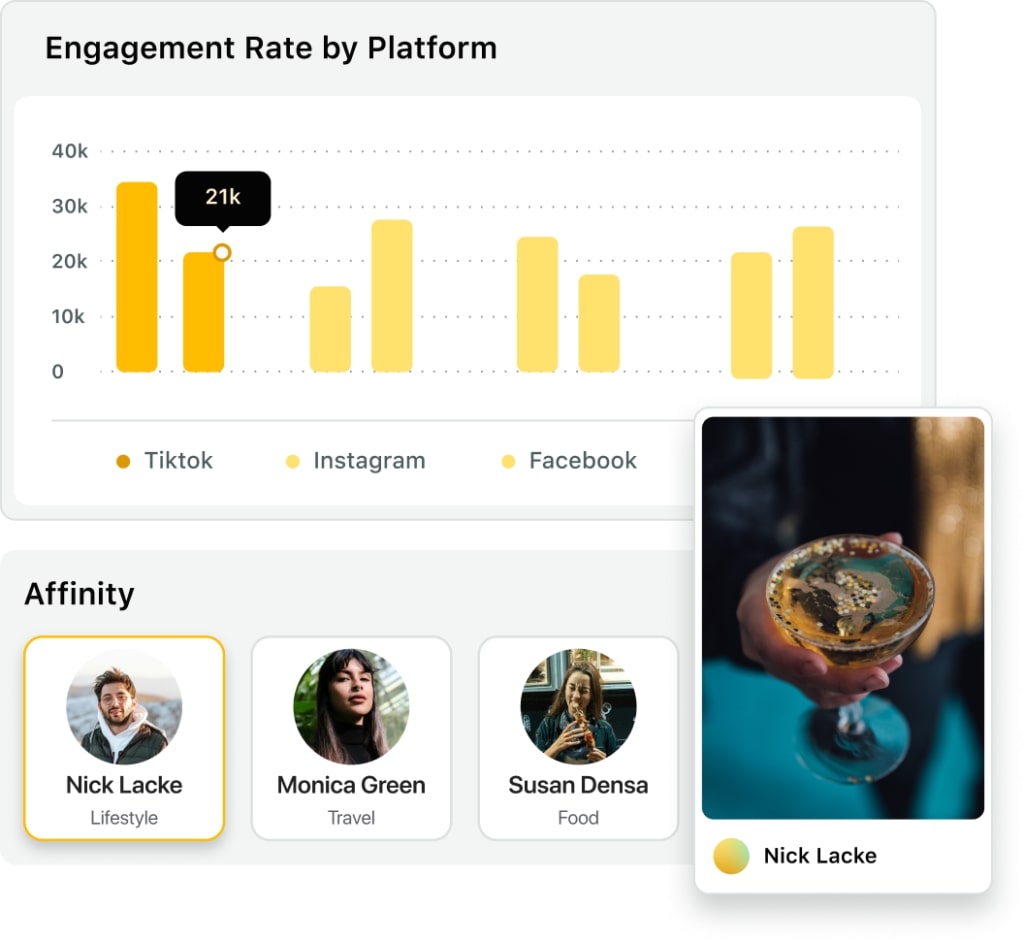
Most platforms like Instagram, TikTok, or YouTube have built-in tools to check how posts are performing. You can see likes, comments, shares, and views for each influencer’s post.
Use campaign tags or hashtags:
Adding a special hashtag, like #SproutPartner, or unique campaign links, helps you track which posts come from your influencers. This makes it easier to monitor engagement and results.
Use an influencer marketing platform:
For a complete view of your campaign’s performance, a tool like Sprout Influencer Marketing is very helpful.
It allows you to:
1) Measure results across multiple influencers
2) See how the campaign affects your brand
3)Track your ROI (return on investment)
Compare influencer performance with other social media efforts.
Why Detailed Metrics and Reports Are Important?
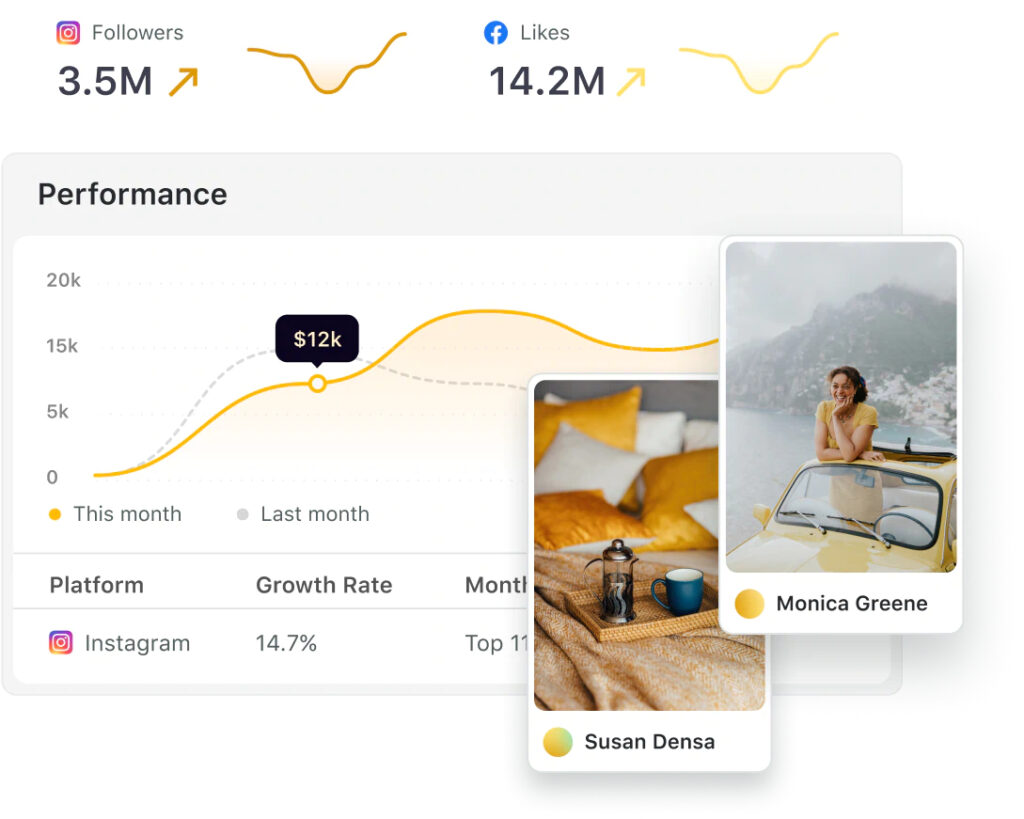
Using detailed metrics and reports helps you get the most out of your influencer campaigns. Here’s what you can do with them:
1) See overall campaign results:
Automatically collect all your campaign data into a single report. You can then review and edit it to understand what worked and what didn’t.
2) Create reports your way:
Use ready-made report templates or make your own from scratch to fit your needs.
3) Track links and conversions:
Add special links with UTM codes or pixels to influencer content so you can see exactly how much value each post brings, like clicks, sign-ups, or sales.
4) Get insights for better decisions:
Check how your audience interacts across different platforms, see which posts perform best, and use this information to improve your future influencer and social media strategies.
Conclusion
Influencer marketing is a powerful way to grow your brand, build trust, and reach the right audience — when done correctly. By setting clear goals, choosing the right influencers, tracking performance, and avoiding common mistakes, you can turn influencer campaigns into measurable success.
If you want to make the most of influencer marketing in 2025, A99 Solutions can help. From finding the perfect influencers to managing campaigns and measuring results, we provide end-to-end support to ensure your brand stands out and achieves real growth. Partner with A99 Solutions and take your influencer marketing to the next level!