
AI Predict Negative Reviews – Your brand’s online reputation is one of its most important assets. How customers view your business — whether through positive reviews or negative ones — has a direct impact on trust and long-term success.
Negative reviews can hurt that trust. They not only damage your credibility but can also scare away potential customers. Once a bad review is posted, it’s tough to remove, and responding after the fact often means you’re on defense — the damage may already be done.
Instead of waiting for problems to arise, businesses need a smarter approach: predicting and stopping negative reviews before they happen.
Being proactive works much better than waiting to react.
This is where artificial intelligence (AI) comes in. With AI tools for managing reviews and your brand’s reputation, businesses can analyze customer feedback, spot patterns, and identify early signs of dissatisfaction. By doing this, companies can step in before a negative review is even posted.
But is AI enough on its own? Or does combining AI with human oversight create a stronger approach? Let’s dive into these questions and more.
• How AI Predicts Negative Reviews
• The Limitations of AI When Predicting Negative Reviews
• Making the Case For Manual Review Management: Is It Better Than AI?
• AI vs Manual Review Management: Which Is More Effective?
• So, Is Manual or AI Review Management Enough?
How AI Predicts Negative Reviews
Online reviews play a huge role in shaping how people see your brand. They affect everything from trust and reputation to sales. Instead of reacting after a bad review appears, businesses can now use AI to predict issues early and fix them before customers post anything negative.
AI review monitoring tools can analyze massive amounts of data — including chat messages, support tickets, reviews, and social media comments — to find early signs of unhappy customers.
For example:
Customer Feedback Analysis: Finds repeated complaints like slow delivery, poor product quality, or high prices.
Real-Time Review Tracking: Monitors what customers are saying on platforms like Google or Facebook to spot negative trends early.
Review Sentiment Prediction: Uses past data to predict when a customer is likely to leave a bad review.
So, how does AI actually do all this? Let’s break it down.
What Helps AI Predict Negative Reviews
AI has become a strong tool for protecting brand reputation. Using machine learning, sentiment analysis, and natural language processing (NLP), businesses can now track feedback in real time and find potential problems before they grow. This proactive method helps companies solve issues early and prevent unhappy experiences from becoming negative reviews.
1. Sentiment Analysis AI
Sentiment analysis AI studies customer feedback and figures out whether it’s positive, neutral, or negative. It scans messages, reviews, and social media posts to find signs of frustration or disappointment. This helps businesses take quick action before a complaint becomes public.
2. Natural Language Processing (NLP) AI
NLP allows AI to understand human language naturally — both written and spoken. It helps machines recognize tone, mood, and intent, making it easier to spot when someone sounds upset, confused, or angry. This helps AI respond and interpret messages more like a human would.
3. Machine Learning for Reviews
Machine learning teaches AI to get smarter over time. By studying past interactions and reviews, it learns what patterns typically lead to negative feedback — such as specific keywords or complaint types. This helps it predict when a new issue might result in a negative review.
4 Limitations of AI When Predicting Negative Reviews
Even though AI is powerful, it’s not perfect. Businesses that depend only on AI for review management should understand these key limitations:
1. Misunderstanding Context
AI often struggles to catch sarcasm, humor, or hidden meanings. For example, a comment like “Oh great, another amazing delay!” might be labeled as positive because of the words “great” and “amazing,” even though it’s clearly a complaint.
2. Struggles with Industry-Specific Language
Different industries use the same words in different ways. AI might get confused by this. For instance, the word “hot” could mean great in the restaurant industry but broken or overheating in electronics.
3. Wrong Predictions (False Positives & Negatives)
AI sometimes flags neutral comments as negative or misses real complaints. A review like “The service was okay, but I’ve had better” might trigger a warning even though it’s not truly negative.
4. No Emotional Understanding
AI focuses on data and patterns, not real feelings. It can’t sense frustration in a customer’s voice or pick up on disappointment behind polite words. This makes it harder for AI to respond with empathy or a personal touch like a human would.
Even though AI is changing how businesses handle online reviews, humans are still essential for managing customer feedback. People bring emotional understanding and context that AI cannot fully match. Studies show customers often prefer waiting a bit longer for a personal, human response rather than getting an instant AI-generated reply.
Making the Case for Manual Review Management: Is It Better Than AI?
1. Emotional Understanding
Humans can detect sarcasm, humor, and hidden feelings in feedback. For example, a comment like, “Oh great, another sold-out special!” might confuse AI, but a human can recognize the frustration and respond appropriately.
2. Industry Knowledge
Experts understand specific terms and trends in different industries. For instance, in medical feedback, “The procedure was painful but expected” isn’t necessarily negative. AI might misread it, but a human can see it as neutral or even positive.
3. Personalized Customer Interaction
Humans can respond with empathy and adapt to individual situations. Thoughtful responses reassure customers, build trust, and encourage long-term loyalty.
4. Detecting Fake or AI-Generated Reviews
Studies show that a significant portion of online reviews may be AI-generated. While AI can help spot negative reviews, humans are better at checking authenticity and ensuring trustworthiness.
The Limitations of Manual Review Management
Manual review management has its challenges, especially given the massive volume of online activity:
500 million daily posts on X (formerly Twitter)
2.74 billion active Facebook users
2 billion Instagram users
Without automation, it’s easy to miss important feedback. Manual review management struggles in these areas:
1. Time-Consuming
Going through large numbers of reviews takes a lot of time. This can delay responses and miss opportunities to fix issues before they escalate.
2. Inconsistent Response Times
Humans cannot work 24/7. Brands relying only on manual management may respond slowly, especially outside business hours, leaving customers frustrated.
3. Hard to Scale
As a business grows, so does the volume of reviews. Scaling manual review processes requires more staff, which increases costs and makes consistent monitoring harder.
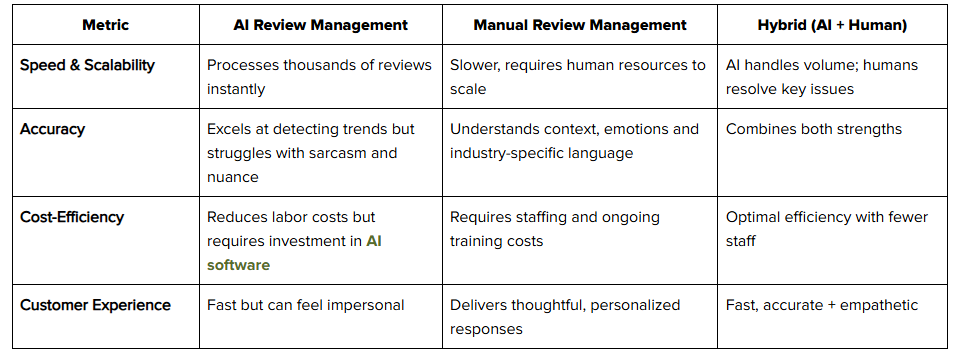
AI vs. Manual Review Management: Which One Works Best?
Let’s take a look at how AI and manual review management compare:
Best AI Tools for Predicting Negative Reviews
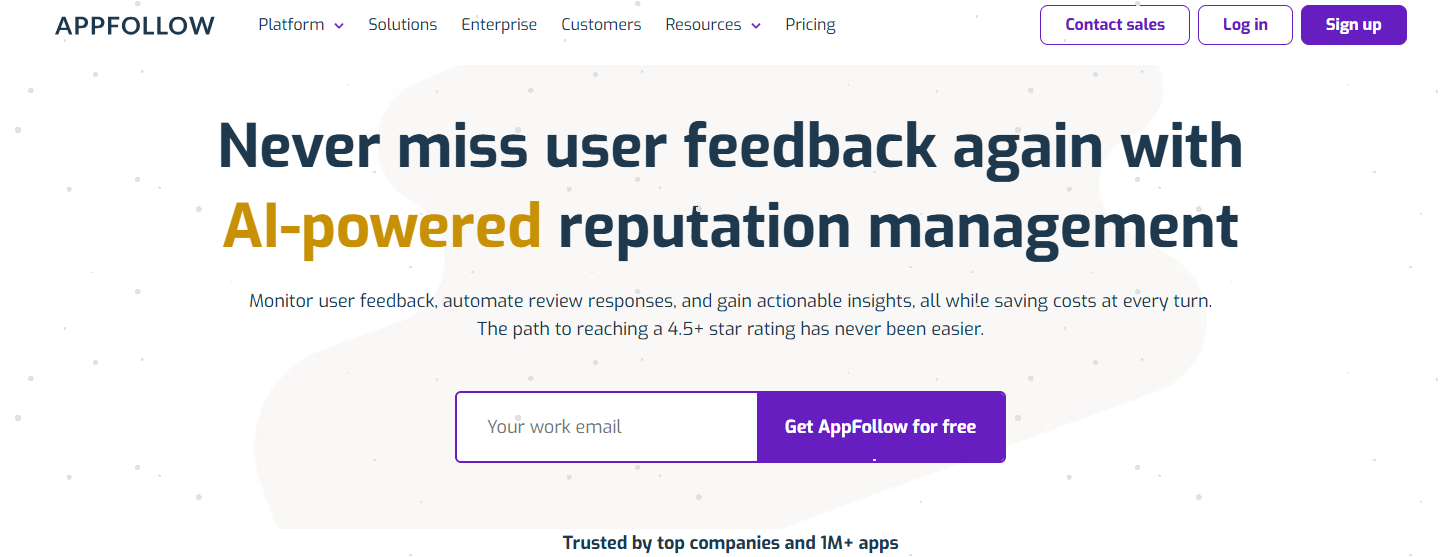
1. AppFollow — AI Review Monitoring & Sentiment Analysis
AppFollow helps businesses automatically collect and analyze customer feedback from app stores, review sites, and more. Its AI categorizes reviews by topic and sentiment so you can spot patterns and surface issues before they turn into public complaints.
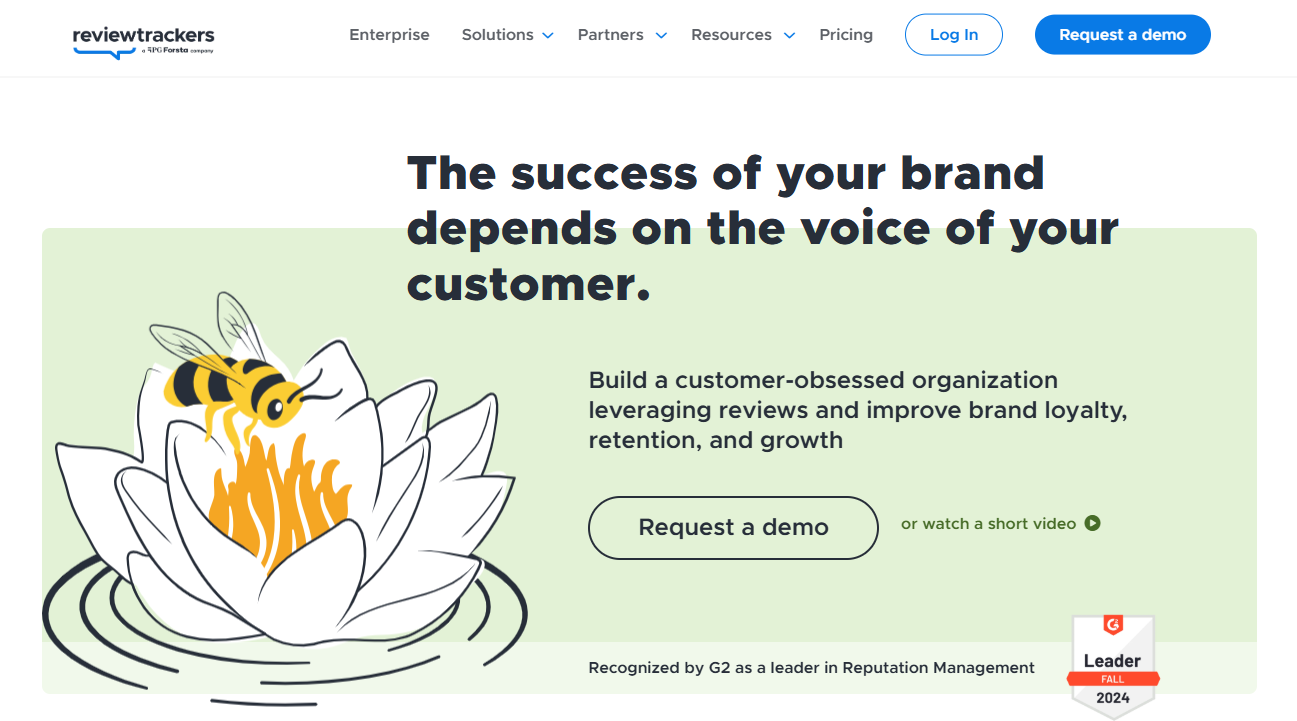
2. ReviewTrackers — Track & Understand Customer Feedback
ReviewTrackers gathers reviews from multiple platforms and uses AI to analyze sentiment, monitor trends, and flag negative signals in real time — helping teams react quickly to potential dissatisfaction.
3. Brand24 — AI‑Powered Sentiment Monitoring
Brand24 continuously monitors mentions of your brand across social media, blogs, and review sites. Its sentiment analysis helps identify rising negative sentiment, so you can tackle.

4. Pulsar — AI Social Listening & Narrative Detection
Pulsar uses AI to monitor conversations and signals across social platforms, forums, and news. Its advanced sentiment analysis and “Insight Agents” help detect shifts in customer perception before they surface as formal reviews.

Is AI or Manual Review Management Enough?
The best way to manage reviews isn’t choosing between AI or humans — it’s using both together.
AI can handle the heavy work like scanning feedback, spotting issues, and analyzing patterns quickly. Humans step in where understanding tone, emotions, and context is needed.
This mix gives you the speed of AI plus the personal touch of humans. Customers don’t just want quick responses — they want the right ones. Using AI along with human oversight ensures better results and stronger customer trust.
Conclusion
AI is transforming how businesses manage their online reputation, helping predict and address potential negative reviews before they happen. By combining AI insights with proactive strategies, companies can protect their brand, improve customer satisfaction, and build stronger trust.
Partner with A99 Solutions to implement smart AI-driven review management and keep your brand reputation strong.