
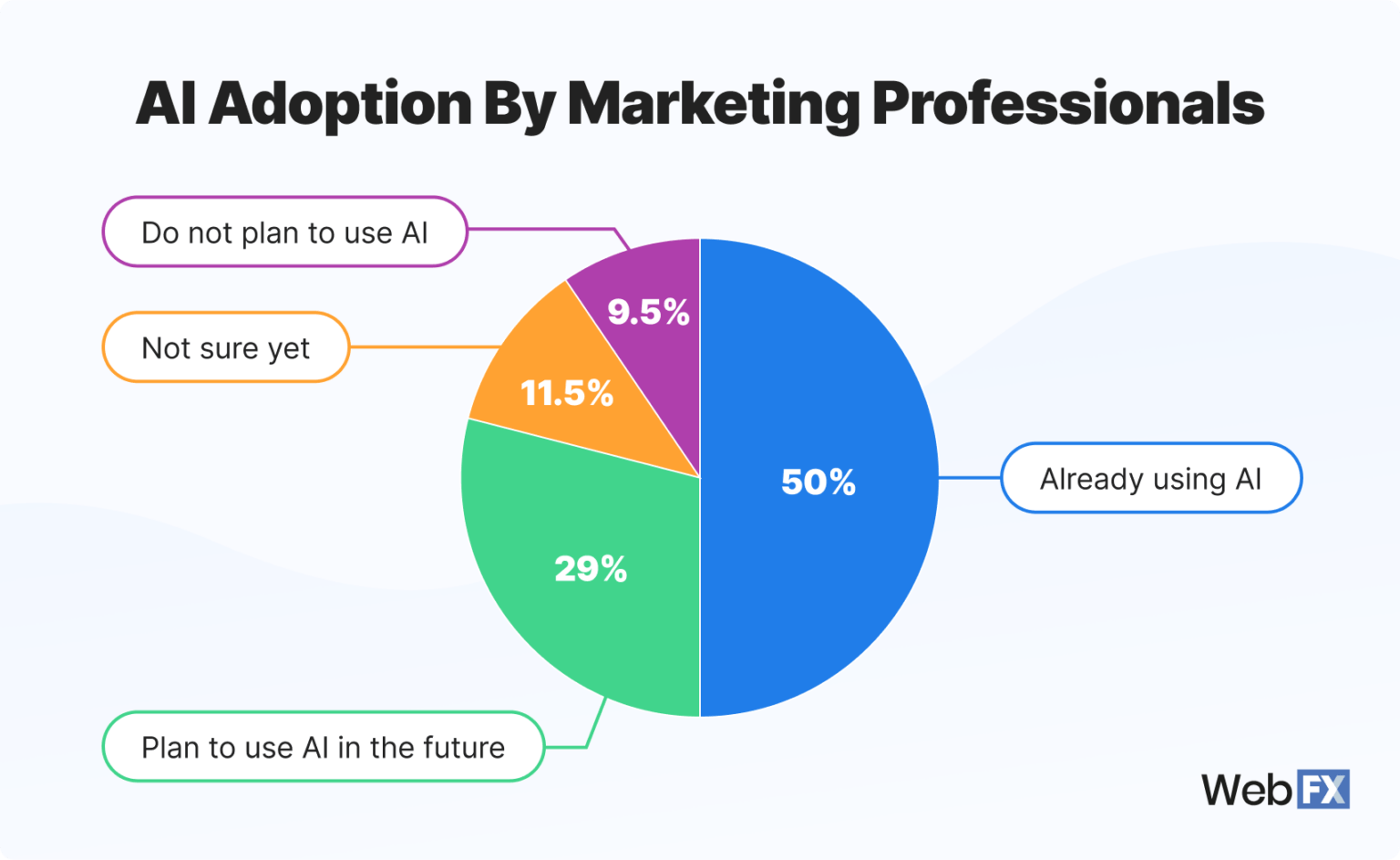
AI in Advertising – Did you know? Half of the marketers we surveyed in the U.S. are already leveraging AI in their campaigns.
With AI becoming more and more embedded in modern marketing strategies, you might be asking yourself: Is now the right time to start using AI for digital advertising?
If that question has crossed your mind, this article is for you. We’ll explore how AI fits into advertising and what it could mean for marketers who are considering adding it to their toolkit.
Benefits of AI in Advertising
Artificial intelligence brings a wide range of advantages to businesses. In the world of advertising, it helps marketers gain insights, streamline processes, and maximize campaign performance. Here are some of the top benefits:
Smarter Audience Targeting
Want your ads to connect with the right people? One of AI’s biggest strengths in advertising is its ability to enhance targeting.
By analyzing ad performance data, AI tools can adjust bids, placements, and delivery in real time. This ensures your ads are shown to the most relevant audience segments.
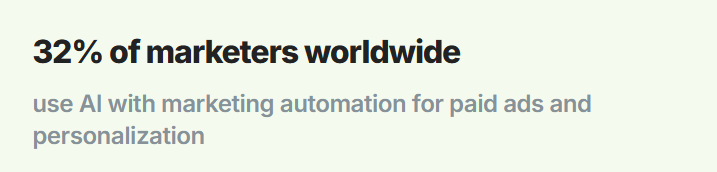
In fact, a recent survey of marketers across the U.S., U.K., India, and Canada revealed that 47% of them trust AI to handle ad targeting.
Faster Campaign Insights
For many U.S. marketers, the leading use of AI in advertising is data analysis.
Machine learning systems can process campaign data much faster than humans, allowing marketers to evaluate performance quickly and accurately. This speed makes it easier to adapt strategies, improve underperforming ads, and plan more effective campaigns in the future.
More Effective Campaign Optimization
Which platforms bring you the best results? What ad formats spark the most engagement?
AI takes the guesswork out of these questions. By analyzing large volumes of campaign data, AI highlights what works and what doesn’t. It can even generate reports and charts that provide actionable insights.
The outcome? Smarter decisions, better campaigns, and ultimately, a higher return on investment (ROI).
The Challenges of AI in Advertising
While the benefits are clear, AI in advertising also comes with hurdles that marketers must be ready to address.
Data Privacy Concerns
AI relies on campaign data to function, but this raises issues around privacy. Sometimes, sensitive customer information can be unintentionally collected or misused.
To maintain trust, businesses must set clear policies for ethical data use, ensuring customer information is gathered, stored, and secured responsibly.
Bias and Inaccurate Data
Another drawback of AI is the potential for biased or misleading outputs.
If your data doesn’t represent all of your audience segments, your AI-driven ads might favor one group over another — leading to skewed results. Since AI models are only as reliable as the data they’re trained on, it’s critical to ensure accuracy and diversity in datasets.
Marketers should also learn how their AI systems work so they can recognize and correct potential biases before making decisions.
Gaining Leadership Buy-In
Convincing management to invest in AI advertising can sometimes be a challenge. Leaders may question the ROI or have concerns about ethical implications.
The best way to address this is with clear evidence. Show real-world examples of AI-powered ads delivering measurable outcomes. Highlight how platforms — like IBM Watson’s RevenueCloudFX — can directly track ROI, even across online and offline channels.
Transparency is also key. Reassure leadership that your AI use will follow ethical guidelines, with audits and data protection measures in place to safeguard customer trust.
How AI Is Used in Advertising
Artificial intelligence opens up many possibilities in the advertising space. If you’re looking to unlock its potential, here are some of the most common applications:
1. Audience Segmentation
Machine learning can analyze how people respond to your ads, then dive deeper into demographics and behaviors to uncover patterns. This makes it easier to divide your audience into meaningful groups.
A great example is Spotify, which uses AI to study listener habits and preferences. Based on this data, the platform curates music suggestions tailored to each user, improving the overall experience.
For advertisers, this means delivering ads that feel far more relevant to each audience segment.
2. Smarter Ad Placement
AI powers programmatic advertising, which automates real-time ad buying, selling, and positioning.
Take The New York Times, for instance. They’ve invested in AI-driven contextual targeting, enabling advertisers to align ads with highly relevant reader profiles — without depending on third-party cookies.
As an advertiser, understanding how these algorithms allocate spend and placements is crucial. It lets you ask the right questions and collaborate effectively with your ad partners to fine-tune results.
3. Campaign Optimization
Another major advantage of AI is its ability to track and refine campaigns across multiple platforms. By reviewing performance metrics, AI tools can suggest changes that lead to better engagement and outcomes.
For example, Coca-Cola leverages Adobe Sensei to monitor its social campaigns. The platform automatically evaluates performance data and recommends tweaks, resulting in a 36% boost in revenue and an ongoing cycle of optimization.
4. Interactive Advertising
Interactive ads make customer engagement fun and memorable — and AI can take them to the next level.
Brands now experiment with augmented reality (AR) ads on platforms like Instagram, where shoppers can preview how products look in their homes or on themselves before making a purchase.
By tracking how users interact with these ads, AI helps businesses understand which formats resonate most with their audience and refine their approach.
5. Personalization
Today’s customers expect ads tailored to them — and AI makes this possible by analyzing data from customer interactions. Since 72% of consumers say they only respond to personalized messages, personalization is one of the most valuable AI use cases.
Amazon does this brilliantly with retargeting. If a shopper searches for shoes but doesn’t buy, Amazon later displays ads with the same pair — plus similar styles — nudging them back into the funnel.
This approach ensures customers see exactly what they’re interested in, boosting conversions.
3 AI Advertising Tools to Try in 2025
There are plenty of AI-powered platforms designed to simplify advertising. Here are three worth exploring:
1. AdCreative.ai
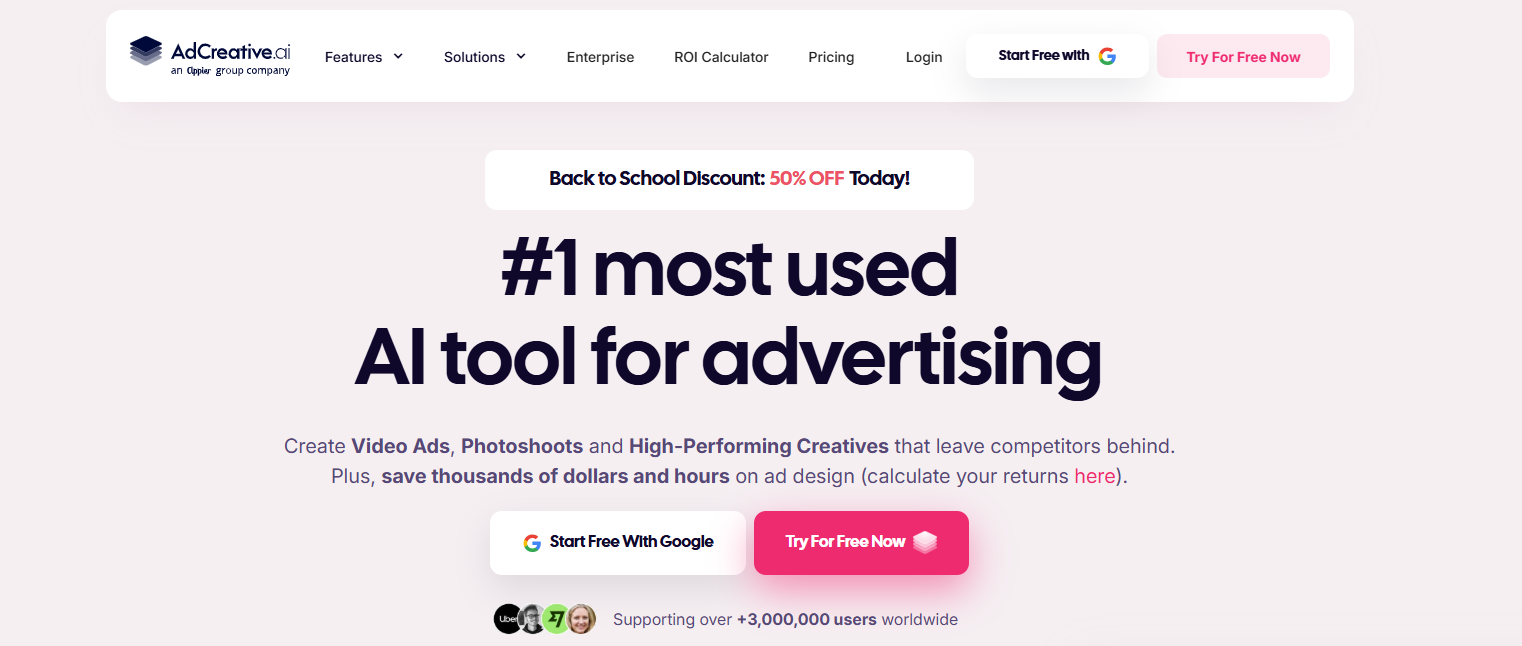
Pricing: First 10 downloads free; plans start at $39/month
Best for: Automated ad design and creatives
AdCreative.ai helps businesses quickly generate professional, conversion-focused ads. It can create various ad formats with AI-generated visuals and copy. The platform also syncs directly with your ad accounts, combining ad creation and performance tracking in one place.
2. Narrative BI

Pricing: Free 7-day trial; paid plans from $49/month
Best for: Easy-to-digest PPC data
Narrative BI connects with Google Ads to simplify campaign analysis. It highlights competitor activity, monitors campaign changes, and converts raw data into accessible reports, making it easier for teams to act on insights.
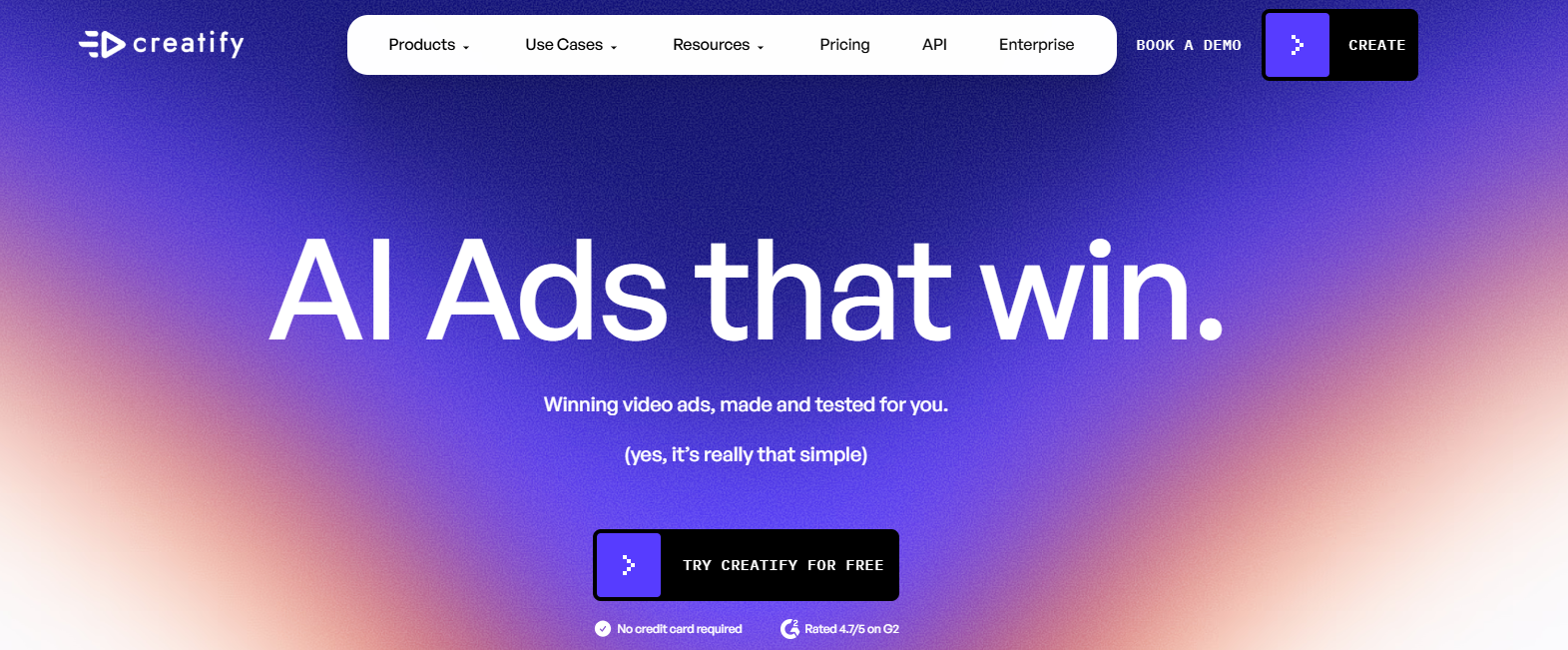
3. Creatify.ai
Pricing: Free plan available; paid plans start at $39/month
Best for: AI-generated video ads
Creatify.ai is a great solution for businesses focusing on video marketing. By simply entering a product URL, the platform generates creative video ads and offers AI-powered editing tools to fine-tune content.
Conclusion
AI is transforming advertising by making campaigns smarter, more personalized, and data-driven. From targeting and optimization to interactive experiences and video creation, its applications are only growing stronger.
However, businesses must also be mindful of challenges like privacy concerns, data bias, and securing leadership buy-in.
If you’re ready to unlock the full potential of AI in your advertising strategy, A99 Solutions is here to help. With expertise in AI-powered digital marketing, we provide tailored solutions that maximize ROI while ensuring ethical and effective use of technology.