

Generative AI vs Predictive AI 2025 – Generative AI is all about creating new things. It can make text, images, videos, or even software code based on your ideas. Think of it as a creative assistant that brings your imagination to life.
Predictive AI is about seeing the future using data. It analyzes large amounts of information to identify patterns and predict future outcomes. It’s like having a smart advisor who can forecast trends and outcomes.
Both types of AI are powerful tools for businesses, but they work differently. Generative AI creates, while Predictive AI analyzes and predicts. Knowing the difference helps you use the right one at the right time.
Generative AI vs Predictive AI

What is Generative AI?

Generative AI is a smart technology that creates new content using artificial intelligence. You might already know popular tools like ChatGPT, Midjourney, and Runway, which millions of people use every day to make text, images, videos, music, and even software code.
At its core, generative AI uses advanced algorithms and deep learning. It studies large amounts of data to learn patterns in words, images, and designs, allowing it to produce content in different styles. Think of it as a digital creator that can bring your ideas to life in seconds.
Benefits of Generative AI
Generative AI is a powerful tool that helps creators, businesses, and developers do more in less time. Here’s how it can help:
1. Boosts Creativity
Generative AI can create new text, images, music, or videos by learning from existing works. For example, it can study the writing style of famous authors like Charles Dickens or Ernest Hemingway and help produce new stories in a similar style. The same goes for designing images or composing music.
2. Helps Improve Data
AI can generate synthetic data when there isn’t enough real-world data. This helps train other AI models better and faster. It can also create personalized suggestions and experiences for users, making the data more useful and accurate.
3. Enhances Customer Experience
Generative AI can enhance the interactivity and responsiveness of websites, apps, and chatbots. It can create customized articles, graphics, or answers for users, helping businesses engage customers and give faster, smarter support.
4. Personalizes Marketing
AI can deliver tailored recommendations and content based on a person’s interests or behavior. This means businesses can show the right products or services to the right people, making marketing more effective and increasing sales.
Generative AI Use Cases
Generative AI isn’t here to replace creative professionals—it’s here to make their work faster and better. It can help in creating content, improving designs, or exploring new ideas. Here are some ways businesses and creators use it:
1. Text & Writing
AI can draft emails, articles, reports, and business letters quickly. For example, the Associated Press uses AI to automatically create thousands of sports updates and earnings reports every month.
2. Images & Graphics
AI can turn text ideas into images or new designs. Brands like BMW use AI to make creative car advertisements, and Nutella created millions of unique jar labels using AI designs.
3. Video Creation
AI can make videos faster by combining text, images, and clips. Tools like Synthesia let you create videos with AI avatars, perfect for online learning or corporate presentations.
4. Music & Sound
AI can study existing music to create new songs or remixes in specific styles or moods. Musicians use it to experiment with fresh melodies or enhance their compositions.
5. Product Design
AI can suggest new product designs based on user feedback and trends. For example, Netflix uses AI to personalize movie recommendations for each viewer.
6. Personalization for Users
AI can make experiences tailored for each person, such as personalized content, product suggestions, or creative material that fits individual preferences.
Generative AI Tools
1. ChatGPT

What it is: ChatGPT by OpenAI is a smart chatbot that can write text, answer questions, and have conversations that feel natural. It can help with content creation, customer support, education, and more.
Why it’s useful:
- Understands context and keeps conversations flowing
- Can be customized for different jobs and industries
- Makes writing and communication faster and easier
Pricing:
- Free version: Basic access
- Plus Plan: $20/month – more research and better AI models
- Pro Plan: $200/month – unlimited access, advanced features, voice and video support
2. Microsoft Copilot

What it is: Microsoft Copilot is an AI assistant inside Microsoft Office apps like Word, Excel, and PowerPoint.
Why it’s useful:
- Helps write documents, analyze data, and manage emails
- Understands natural language, so you can just tell it what to do
- Adapts suggestions based on your style and preferences
- Saves time by automating repetitive tasks
Pricing:
- Free version: Access to AI chat and basic features
- Pro Plan: $20/month per user (with Microsoft 365) – extra features and smarter suggestions
3. AlphaCode
What it is: AlphaCode by DeepMind is an AI tool for coding. It’s great for solving coding challenges and competitions.
Why it’s useful:
- Generates multiple code solutions for a problem
- Tests and filters solutions to find the best one
- Helps developers and programmers save time and solve tricky problems
What is Predictive AI?

Predictive AI is a type of artificial intelligence that looks at past data to guess what might happen in the future. It uses smart algorithms and machine learning to find patterns in data, helping businesses make better decisions.
Benefits of Predictive AI
Predictive AI helps businesses plan, make smarter decisions, and get more value from their data. Here’s how it can help your business:
1. Spot Future Trends
Predictive AI can show what might happen next by studying past data. This helps with making recommendations, improving sales, managing stock, and giving better customer service.
2. Make Decisions More Accurately
AI insights reduce guesswork. By using predictive AI, businesses can make smarter choices and improve outcomes, like managing inventory more efficiently.
3. Get More Value from Data
Predictive AI helps you find useful patterns in your data. This gives your business better insights and supports smarter decision-making.
4. Improve Customer Experience
By analyzing customer behavior, predictive AI helps you understand and anticipate what your customers want. This is great for personalized marketing and targeted campaigns.
5. Smarter Business Decisions
Predictive AI provides data-backed insights, helping businesses plan strategies, create better action plans, and engage customers effectively.
Predictive AI Use Cases
Predictive AI is changing the way businesses and industries work. While it can’t fully predict the future, it helps make smarter forecasts and better decisions. Here are some common ways it’s used:
1. Financial Services
Predictive AI helps banks and financial companies analyze data to improve forecasts. For example, JPMorgan Chase uses AI to assess credit risk and spot fraudulent transactions quickly.
2. Fraud Detection
AI can detect unusual activity like strange logins, unfamiliar devices, or suspicious purchases. This is especially useful for banks and online stores. Companies like PayPal and Stripe use predictive AI to monitor millions of transactions and prevent fraud.
3. Healthcare
Predictive AI helps identify disease risks, monitor high-risk patients, and choose the best treatments. For example, the Mayo Clinic uses AI to predict patient health problems and personalize treatment plans.
4. Marketing
AI can analyze customer behavior and trends to find the best ways to reach your audience. This allows businesses to create more effective marketing campaigns and improve engagement.
3 Predictive AI Tools You Should Know About
Predictive AI tools help businesses use data to forecast trends, make better decisions, and improve performance. Whether you’re a marketer, analyst, or business strategist, these tools help you stay ahead in a competitive market.
1. Marketing Evolution (MEVO)
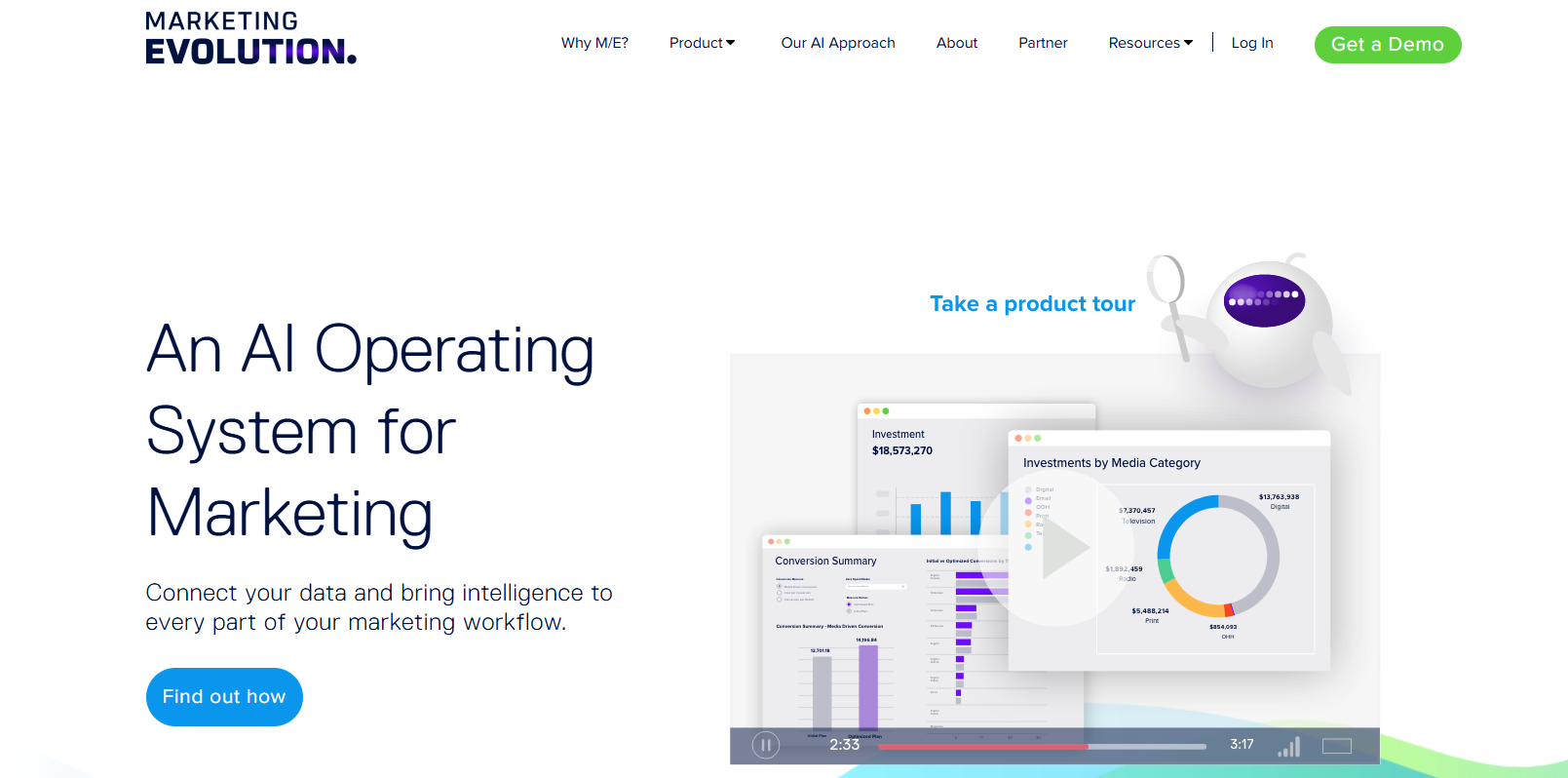
What it does: MEVO helps marketers predict how campaigns will perform and shows which channels work best. This way, you can spend your budget wisely and improve your marketing results.
Why it’s useful:
- Optimizes marketing campaigns
- Improves ROI using data insights
- Helps make smarter decisions based on predictions
2. Tableau

What it does: Tableau is a data visualization and business intelligence tool. It turns large datasets into easy-to-understand charts and dashboards. You can also do predictive analysis, like forecasting trends or running regression models.
Why it’s useful:
- Makes complex data simple and visual
- Helps analyze trends and patterns quickly
- Communicates insights clearly to teams and clients
Pricing:
- Trial version available
- Plans: Viewer $15/month, Creator $75/month
- Enterprise: Viewer $35/month, Creator $115/month
3. Improvado

What it does: Improvado collects marketing data from multiple sources and organizes it automatically. It saves time by removing manual work in data handling and reporting.
Why it’s useful:
- Combines data from different marketing platforms
- Automates data processing
- Helps marketing teams analyze data faster and easier
Pricing: Check Improvado’s website. Free demo available.
Conclusion:
In 2025, the synergy between Generative AI and Predictive AI defines the next frontier of digital innovation. Generative AI fuels creativity—crafting unique ideas, visuals, and solutions—while Predictive AI powers intelligence—forecasting trends and optimizing performance. Together, they empower businesses to innovate smarter, engage deeper, and grow faster in an increasingly data-driven world.
At A99 Solutions, we harness the best of both worlds. Our AI-driven strategies combine creativity and analytics to transform how businesses operate—whether it’s crafting compelling content, automating workflows, or predicting customer needs before they arise.